We brought a small group of egg laying chickens with us when we moved to Tennessee, but it quickly became clear that we needed more to keep up with the needs of a six person household.
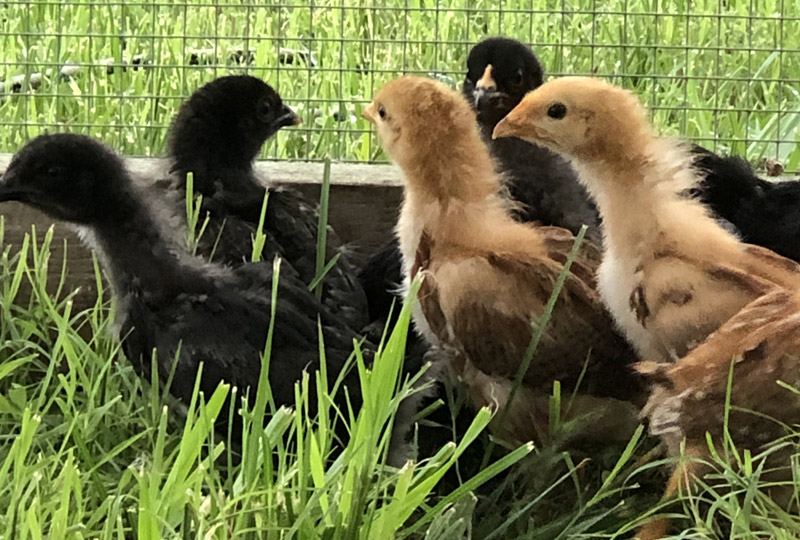
Today, Nichel and the girls stopped by Tractor Supply and came home with eight new chickens to add to the flock. They are a mix of breeds, and just like our meat birds, they are brooding directly on pasture inside a protected chicken tractor. It is a simple setup, but it works well and gives the birds a healthy start.
In about six months, these new hens should begin laying. It will be nice to have a steady supply of eggs again and to see the flock continue to grow in a way that fits our family’s needs.
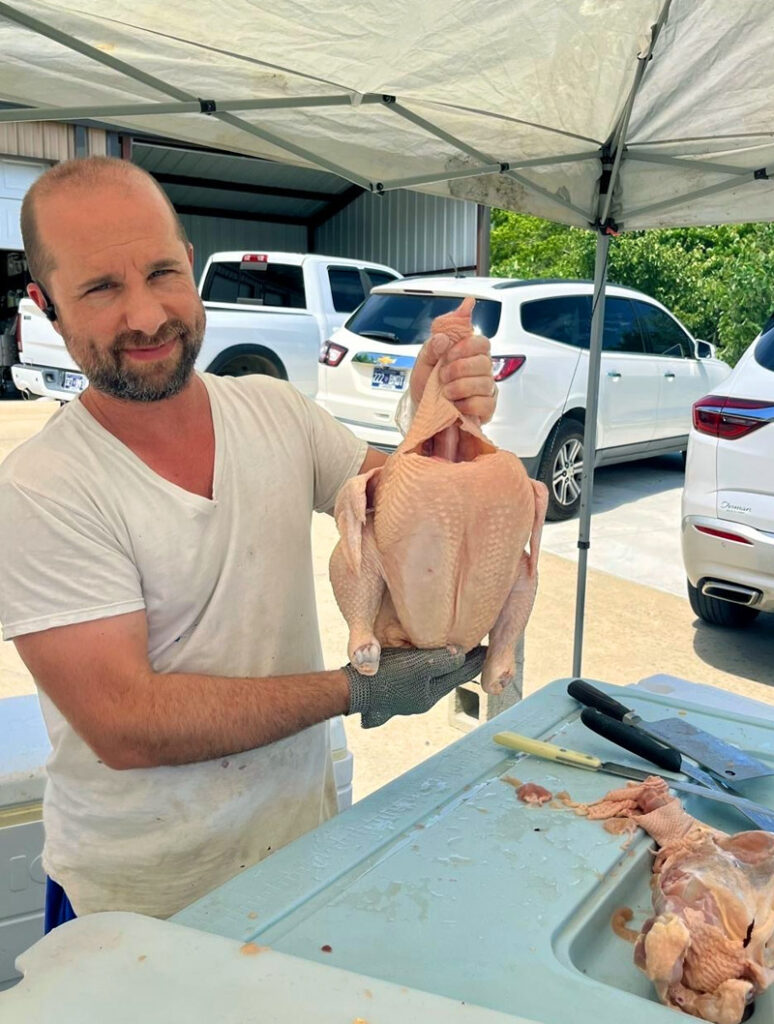
Today we slaughtered the meat birds, and all thirty made it to graduation day. That is a fantastic outcome. Normal mortality is around five percent, so finishing the season without losing a single bird is a real win.
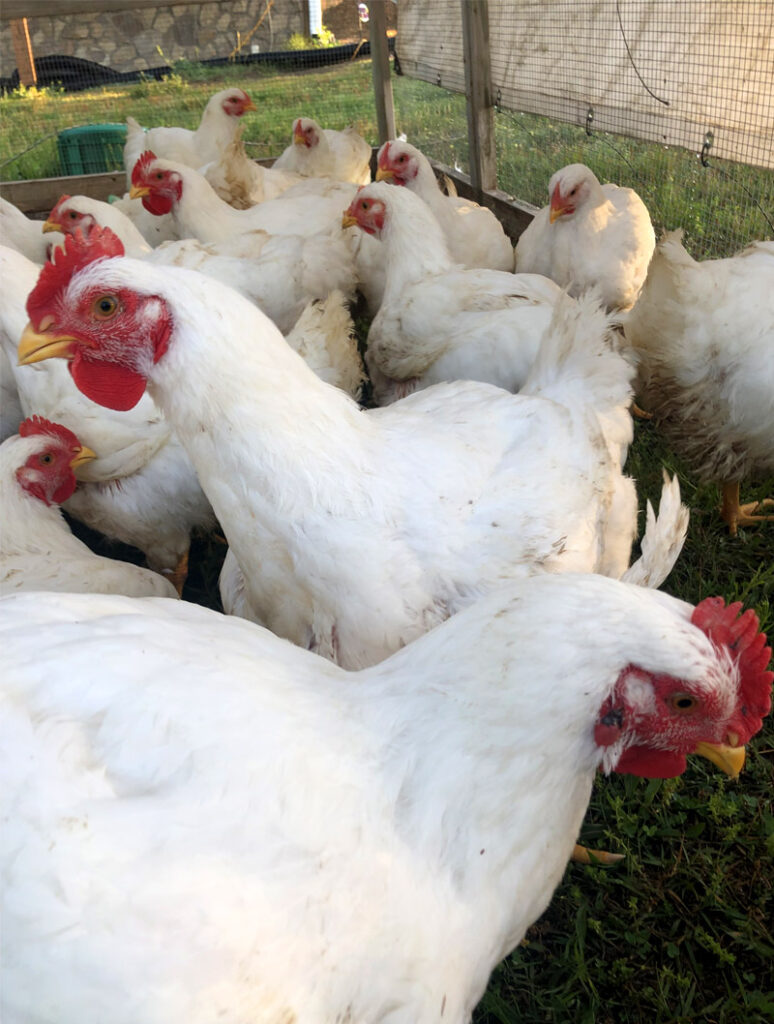
The birds finished out incredibly well this year. Since this batch was only for our family, we did not bother weighing them, but several looked like they would have tipped the scales at nine pounds or more.
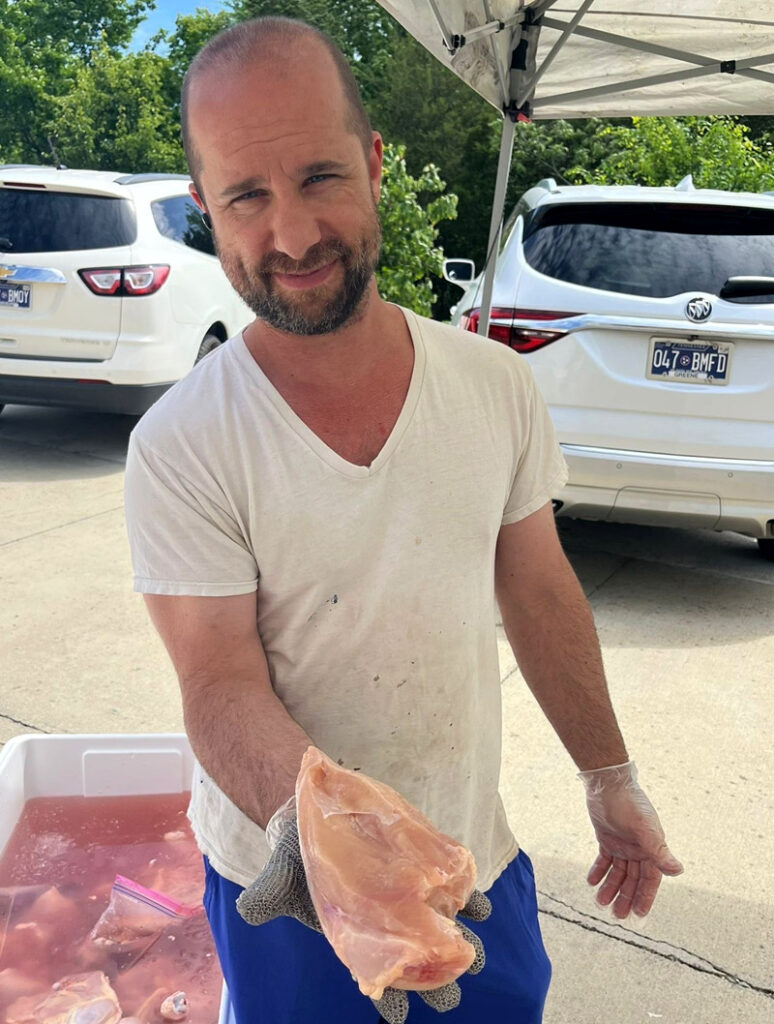
We chose to do cut ups on every bird this time. In the past we have done a mix of whole birds and cut ups, but we consistently use the cut up birds about twice as often as the whole ones. It makes meal planning easier and helps us get the most use out of each harvest.
We are incredibly thankful for another successful season that will feed our family for months to come. The work starts with tiny chicks on pasture and ends with a freezer full of food. It is a cycle we do not take lightly and one we are grateful to complete each year.
We do not follow a strict timeline for processing our meat birds. Each group grows a little differently, and we try to honor that. If they need an extra week or two to fill out properly, we give it to them. The animal’s sacrifice matters, and we want to make sure we are doing right by them by getting the best possible yield from each bird.
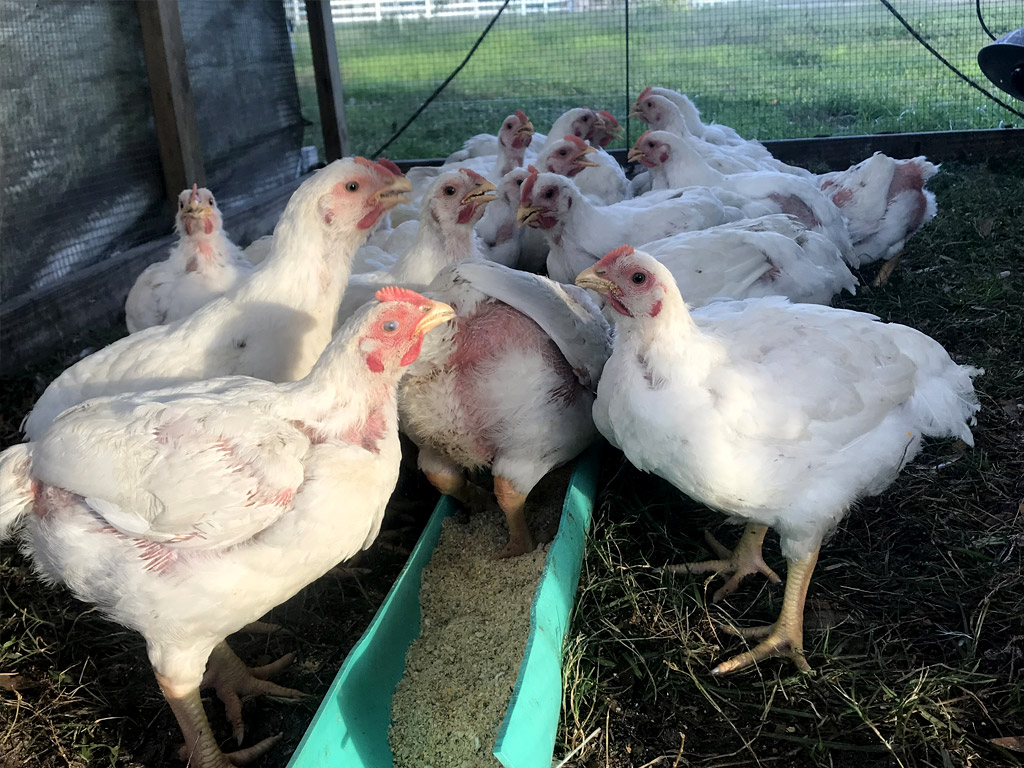
This group has done exceptionally well. They have grown fast, stayed healthy, and handled pasture life with no issues. At this point, they look strong and fully developed, and they will be ready to process next weekend.
It is always a mix of responsibility and gratitude when we reach this stage. The birds have had a good life on pasture, and now we prepare for the final step of the cycle.
The meat birds are doing excellent this year. They’ve grown exceptionally well and will be ready to process next weekend.
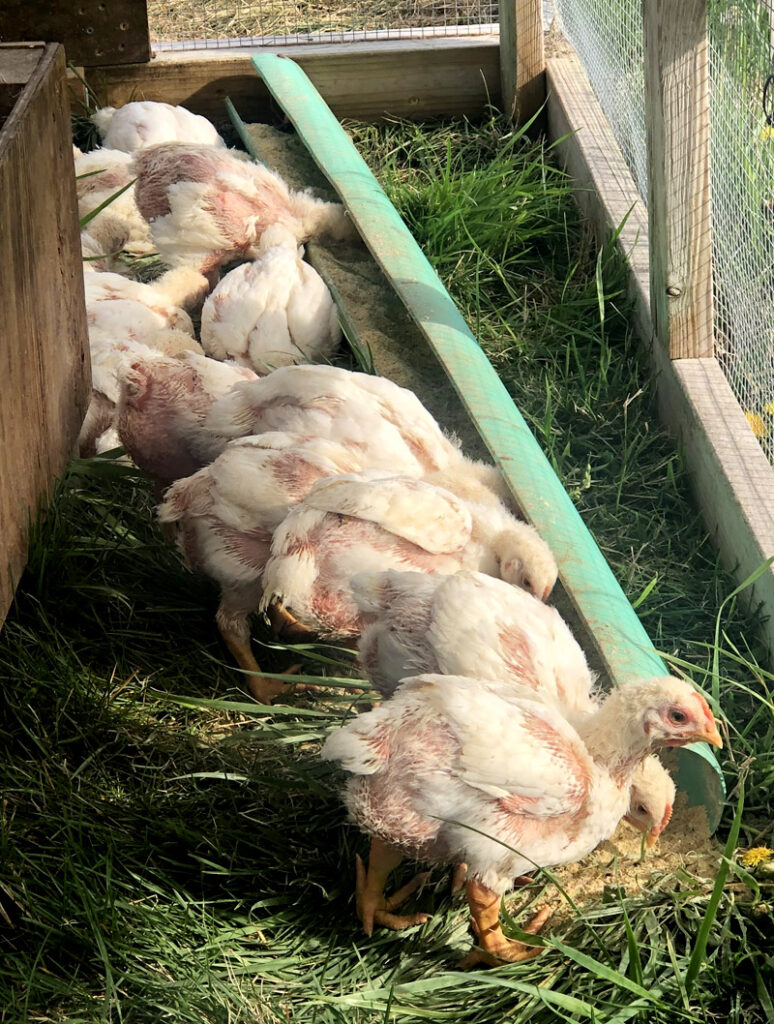
All thirty of the meat birds are doing well and getting noticeably bigger by the day. So far, we have not lost a single one, which always feels like a small victory in itself.
We are now roughly halfway to what we call graduation day for the birds. The routine is steady at this point. Daily moves to fresh grass, full feeders, plenty of water, and check-ins throughout the day. The early fragile stage is behind them, but there is still plenty of growing left to do.
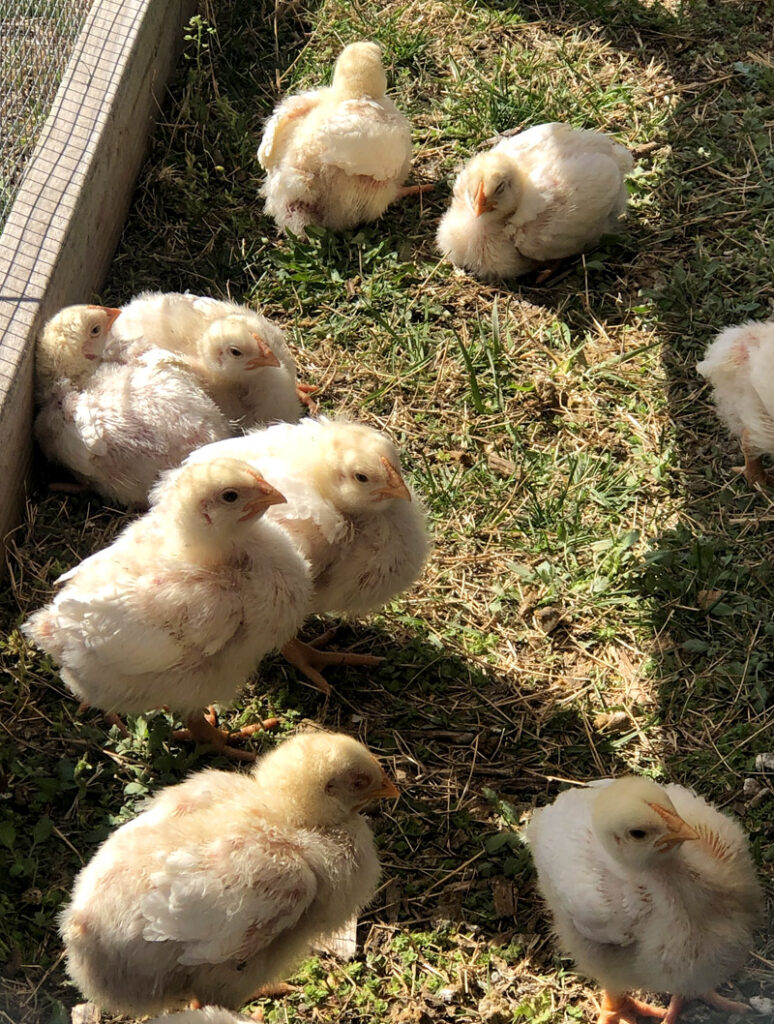
It’s rewarding to see how quickly they change in just a few short weeks. What started as a box of tiny, chirping chicks is now a group of stout birds that are fully settled into pasture life.
We still have work ahead, but crossing the halfway mark feels good. Progress is visible, the system continues to work, and the birds are thriving.
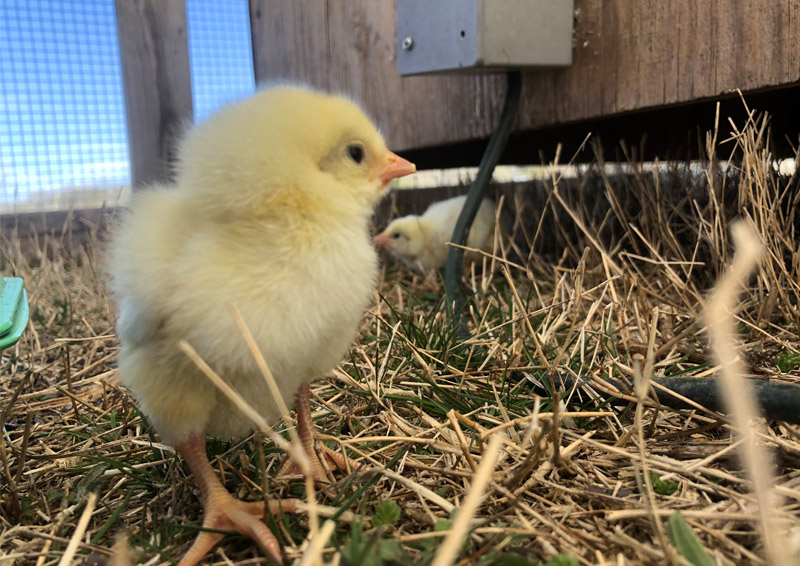
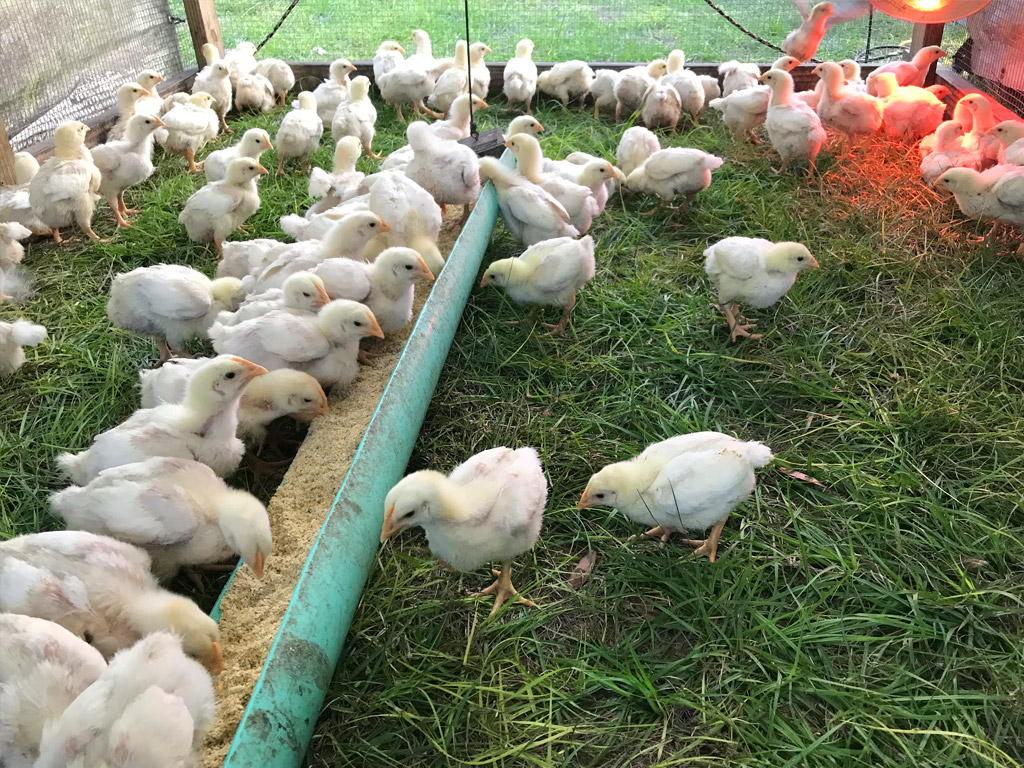
This week our shipment of Cornish Cross chicks arrived, marking the start of another meat bird season here on the farm. It is always a little loud, a little chaotic, and a clear reminder that spring work is officially underway.
We have been purchasing our birds from Schlect Hatchery for several years now. They are a small hatchery, and we have always had consistently good experiences with their birds and their reliability. This shipment arrived healthy, alert, and ready to get to work growing.
Unlike many setups, we brood our birds on pasture from day one. They start their lives outdoors with fresh air under a covered brooder, heat for warmth, and grass underfoot as soon as they are strong enough to explore it. It takes more attention and more daily checks, but we believe it gives them a better start and keeps us more connected to their care from the very beginning.
Over the next several weeks, these small chicks will do what Cornish Cross do best and grow quickly. In just over two months, they will be ready to be processed and will provide meat for our family. The timeline is short and the routine settles in fast.
Right now, they are finding the heat, learning where the feed and water are, and adjusting to their first nights outdoors. In a few weeks they will be rotated regularly across fresh grass as the season fully opens up.
It always starts the same way. A small group of fragile birds becomes one of the most tangible expressions of food security we have here. The work begins again.
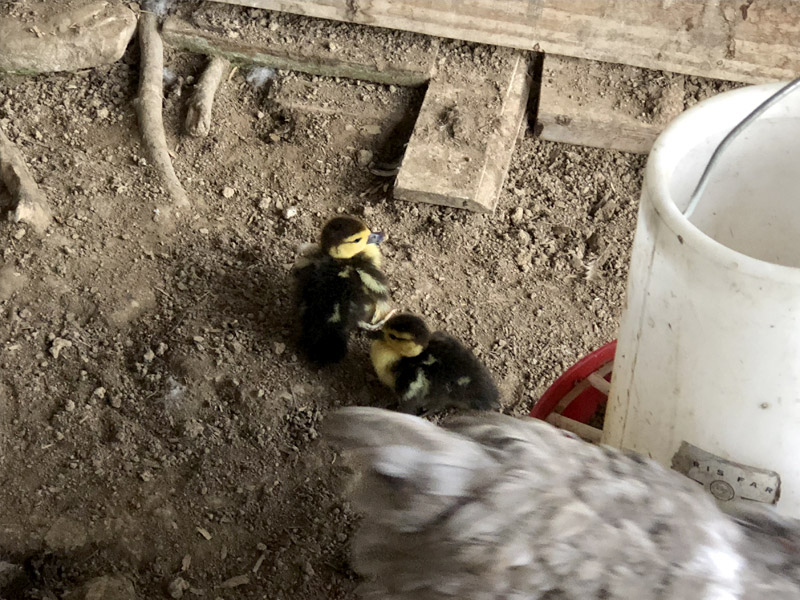
Every now and then, the farm gives you a moment that just makes you smile. While feeding the chickens and ducks this morning, I kept hearing a soft chirping sound. I was not expecting babies, so I brushed it off at first. Then it happened again.
It turns out one of our Muscovy ducks decided to make a nest on top of the chicken coop without us noticing. She quietly sat on her eggs and hatched a small batch of ducklings all on her own.
The ducklings eventually made their way down and into the coop. The hens looked just as confused as I was, unsure of what to make of the tiny newcomers running between their legs.
Life on the farm has a way of surprising us, usually when we least expect it. And this morning it came in the form of a handful of healthy little ducks that arrived without any help from us at all.
The freezers were getting a little sparse so we decided to get one last batch of meat chickens in for the year before it gets too cold. Since we’re in Florida, we were able to do this well into November.
I’m sure the neighbors think we’re crazy by this point…
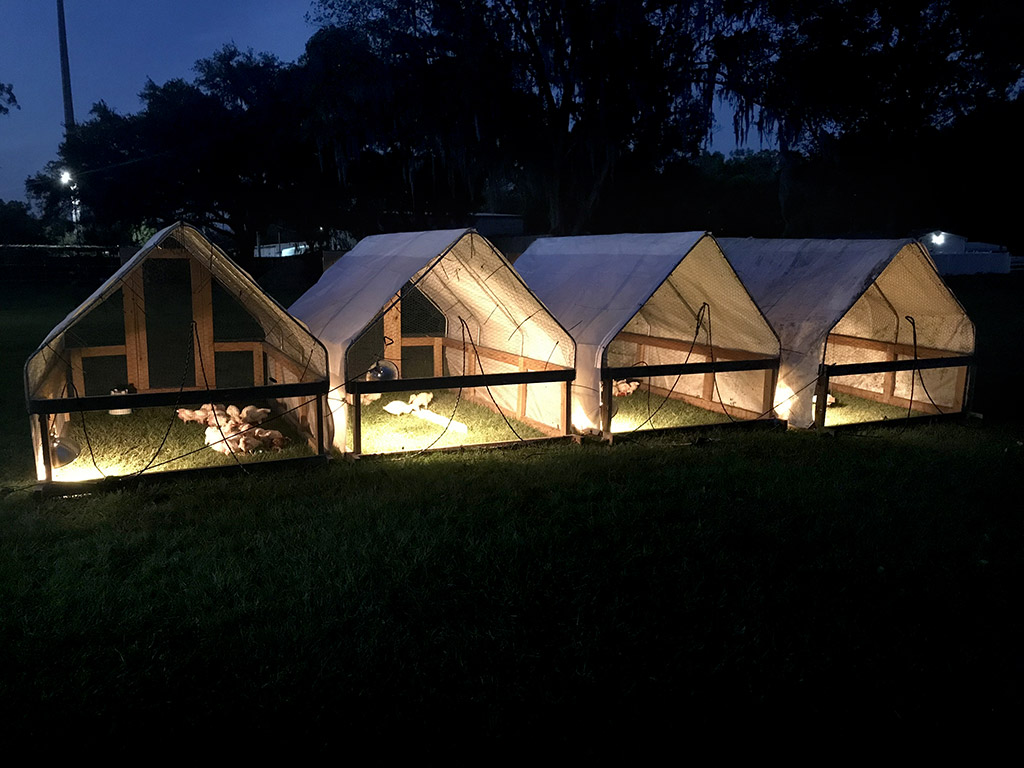
It’s still a bit chilly at night so we have the heat lamps in the chicken tractors while they’re out in the front pasture. At night, the white tarps glow from the lights and remind me of Chinese Lanterns. Delicious, yummy, chicken flavored Chinese lanterns.
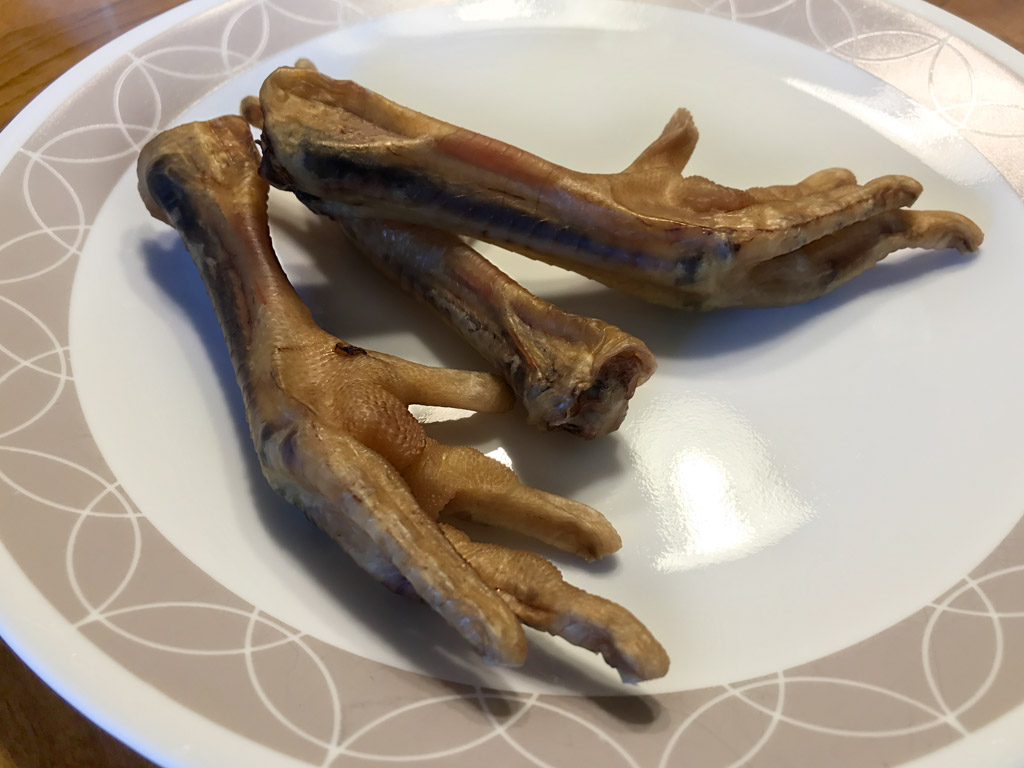
One of the things we take pride in when slaughtering animals is that we use as much of the animal as we can. It’s one of the ways that we honor its sacrifice to our family. This is just one such example. Most people don’t have much use for the chicken feet but we take the time to dehydrate them. This preserves the feet for weeks (even months) and makes for fantastic, healthy dog treats.